
Commercial Transformation
Public Policy for Overcoming Corruption and Poverty
2. Banking,
3. Benevolence

Our Services
Biblical Worldview Training in Economics and Banking
Deep training in Biblical truths for businesses, macro-economy, banking, capital creation and investment.
Development of Economic Strategy
Strategy and best practices to develop long term strategic plans for companies and nations.
Business and Economic Advising
Expertise in advising businesses, national governments and international trade.
Strategy & Best Practices to Transform the Economy and Banking of a Nation



Jesus taught about money more than about salvation. We are called to gain influence and create wealth, just like God is a worker and creater. An economy only works as God intended if there are both Biblical best practices and godly character in leadership of the marketplace. But even if there are leaders with good character, there will still never be prosperity and opportunity for all if the state oversteps its biblical role and takes away the incentive for work with high taxes or manipulates the marketplace unfairly and discourages trade. Socialism, regardless of how well-intended it may be by some, discourages industriousness and risk taking and ends up leaving the economy in stagnation. Only Christian-influenced free markets lift all people including the poor.
Jesus affirmed investing in the parable of the talents: “Therefore you ought to have deposited my money to the bankers [money exchangers], and at my coming I would have received back my own with interest.” (Matthew 25:27) A few verses earlier (Matthew 25: 21, 23) Jesus had already affirmed the legitimacy of profit through trade but here He affirms profit through the normal rate of return which is secured by lending money. The two forms of activity are not the same, as the parable indicates, but both are legitimate and biblical. If lending money is a biblical practice, then Christians should learn how to lead in the banking world according to biblical standards.
God cares about the poor and requires us to as well. Isaiah 58:6-7 commands to “share your bread with the hungry and…bring to your house the poor who are cast out…” But when discussing care of the poor and needy, to whom does God give the responsibility to solve it? That is the single most important question regarding the issue of poverty. Today, many nations believe government should be handling this problem. Entire political parties, many claiming to be Christian, rest much of their agends on government solutions for poverty. While the goal may be good, the means for reaching it is unbiblical. A careful study of scripture reveals that government is never commanded to care for the poor—not once.
How does the Bible define poverty and who has God designed to care for the poor? If we define poverty simply as the absence of material resources, we may implement strategies that help in the short term but do not solve the real problem, and in some cases make matters worse. Indeed, God says in Proverbs 12:10 that “the compassion of the wicked is cruel.”
RESOURCES
Nation´s Drink their Deadly Things

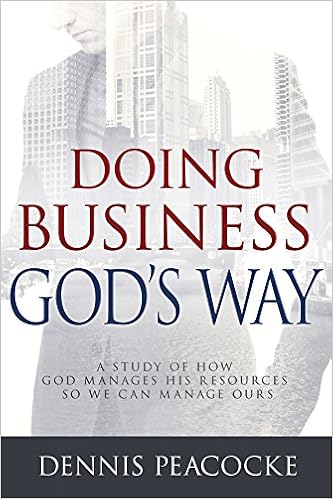
Doing Business God´s Way
Organizations & Affiliates
Go Business School

GoStrategic School of Business educates and equips leaders and others for effective service and leadership using Biblical principles. Led by Dennis Peacocke.
Learn MorePartnership Exchange

The new GLOBAL PARTNERSHIP EXCHANGE. Led by Marc Nuttle. More information is coming soon. Check back with us later.
Monetary Institute

Dedicated to monetary reforms which bring forth a greater level of economic justice and a more equitable and efficient functioning of government. Led by Uli Kortsch.
Learn More